Cover for Les Quatre Nobles Veritats
Aquest llibre va ser recopilat i editat a partir de les xerrades ofertes pel Venerable Ajahn Sumedho sobre l’ensenyança central del Buda: que la infelicitat de la humanitat pot ser superada a través de mitjans espirituals. L’ensenyança es va transmetre a través de les Quatre Nobles Veritats, va ser exposada per primer cop l’any 528 aC. al Parc dels Cérvols a Sarnath, a prop de... තව කියවන්න

Aquest llibre va ser recopilat i editat a partir de les xerrades ofertes pel Venerable Ajahn Sumedho sobre l’ensenyança central del Buda: que la infelicitat de la humanitat pot ser superada a través de mitjans espirituals. L’ensenyança es va transmetre a través de les Quatre Nobles Veritats, va ser exposada per primer cop l’any 528 aC. al Parc dels Cérvols a Sarnath, a prop de Varanasi, i s’ha mantingut viva en el món budista des d’aleshores.

මෙම පොත The Four Noble Truths (Illustrated Edition) හි පරිවර්තනයක් වේ
Cover for Introducció a la Meditació del Coneixement Directe
Tot i que la meditació consisteix en cultivar la ment (i el cor), utilitza el cos com a marc de referència. Per això, cal parar atenció a l’experiència del cos i sentirlo, o «escoltar-lo». Això és l’atenció plena, una atenció no reactiva que pot estabilitzar les energies, els estats d’ànim i els processos de pensament que sorgeixen en la teva vida quotidiana. Gràcies a aquest... තව කියවන්න

Tot i que la meditació consisteix en cultivar la ment (i el cor), utilitza el cos com a marc de referència. Per això, cal parar atenció a l’experiència del cos i sentirlo, o «escoltar-lo». Això és l’atenció plena, una atenció no reactiva que pot estabilitzar les energies, els estats d’ànim i els processos de pensament que sorgeixen en la teva vida quotidiana. Gràcies a aquest suport, pots aprendre a sentir-los i deixar-los passar, en lloc d’enredar-t’hi. Això crea una zona de «no estrès» al teu cor. Així, encara que normalment seguim, contribuïm o reaccionem al contingut mental, en la meditació l’objectiu és deixar-lo estar i, en lloc d’això, obrir i netejar el sistema operatiu de la ment.

මෙම පොත Introduction to Insight Meditation හි පරිවර්තනයක් වේ
Cover for Buddhistisk skik og brug
I Vesten forbindes buddhistisk praksis oftest med de stille, reflekterende og indadvendte aspekter af formel meditation. Der tales mindre om de ihukommende og hengivne måder, hvorved vi kan kultivere kvaliteter som inspiration, glæde og hjertets opløftelse. For nogle mennesker kan de hengivne aspekter af praksis måske virke meningsløse eller endda tåbelige. Men erfaringen lærer os, at meditation i sig selv ikke garanterer adgang til det... තව කියවන්න

I Vesten forbindes buddhistisk praksis oftest med de stille, reflekterende og indadvendte aspekter af formel meditation. Der tales mindre om de ihukommende og hengivne måder, hvorved vi kan kultivere kvaliteter som inspiration, glæde og hjertets opløftelse. For nogle mennesker kan de hengivne aspekter af praksis måske virke meningsløse eller endda tåbelige. Men erfaringen lærer os, at meditation i sig selv ikke garanterer adgang til det sublime; det kan tværtimod være en trættende kamp med et rastløst sind!

මෙම පොත Buddhist Rituals & Observances හි පරිවර්තනයක් වේ
Cover for ขับไล่เผด็จการภายในใจลงจากบัลลังก
เคยบ้างไหม ที่คุณปล่อยให้ลูกโซ่ความคิดมาครอบงำ บอก ว่าคุณไม่ดีพอ ไม่มีค่าพอ และใครๆก็ดูถูกคุณ แต่เขาก็ อดทนกับคุณโดยมารยาท เคยบ้างไหม ที่คุณมักจะคิดวก ไปวนมากับความทรงจำ เก่าๆในอดีต หรือความสัมพันธ์ที่ ไม่ลงตัว เคยบ้างไหม ที่คุณรู้สึกว่าคุณน่าจะประสบความ สำ เร็จเหมือนกับคนอื่น ๆ และแล้วคุณก็หันกลับมาตำ หนิตัว เอง นี่คือจิตวิทยาที่เรียกว่า เผด็จการภายในใจ ข่าวดีก็คือ ไม่ใช่คุณเพียงคนเดียวเท่านั้นที่เป็นแบบนี้ แต่คุณสามารถ เป็นอิสระจากการพันธนาการของลูกโซ่ความคิดนี้ได้ และ กุญแจที่ใช้ในการปลดล็อกก็คือ การสร้างความดำ ริชอบที่ ต่อเนื่อง
මෙම පොත Unseating the Inner Tyrant හි පරිවර්තනයක් වේ
Cover for The Contemplative's Companion
[From the Introduction]: "The Contemplative’s Companion is both a record and a guide of this virtual meditation retreat held during the first wave of the COVID-19 pandemic. At that time, Ajahn Viradhammo and the organisers from the Ottawa Buddhist Society aimed to create a new virtual retreat community with solitary practitioners living everywhere in pandemic isolation. [...] Another thing to keep in mind as you... තව කියවන්න

[From the Introduction]: "The Contemplative’s Companion is both a record and a guide of this virtual meditation retreat held during the first wave of the COVID-19 pandemic. At that time, Ajahn Viradhammo and the organisers from the Ottawa Buddhist Society aimed to create a new virtual retreat community with solitary practitioners living everywhere in pandemic isolation.

[...]

Another thing to keep in mind as you go through this book, or the audio recordings that are available as a playlist on Tisarana Buddhist Monastery's YouTube channel, is that the teachings offered by the Forest Sangha teachers, such as Ajahn Viradhammo, are spoken contemporaneously without notes. In that way, the talks are a response to the needs of the time and listeners. But, as you’ll discover, the themes are universal because the very nature of Dhamma is akāliko (timeless)."

Cover for ความกลัว พ้นหรือจม ?
ความกลัวและกังวลเป็นความรู้สึกที่อยู่กับมนุษย์มานานแสนนาน แต่ละคนล้วนเจอแล้วจาก จากแล้วเจอ เจอแล้วจาก… จากเรื่องนี้ เป็นเรื่องนั้น แล้วไปเรื่องโน้น และอีกหลายๆ เรื่อง ‘เป็น’ ความรู้สึกที่วนอยู่ในใจ และเวียน ‘อยู่’ กับเรื่องราวต่างๆ มากมาย ‘คือ’ วังวนของความทุกข์ และหลุมดำที่ไม่มีใครอยากจะตกลงไป ไม่ว่าคนชาติไหน ภาษาใด ก็เคยพบกับความกลัวและกังวลทั้งสิ้น
මෙම පොත Fear and Fearlessness හි පරිවර්තනයක් වේ
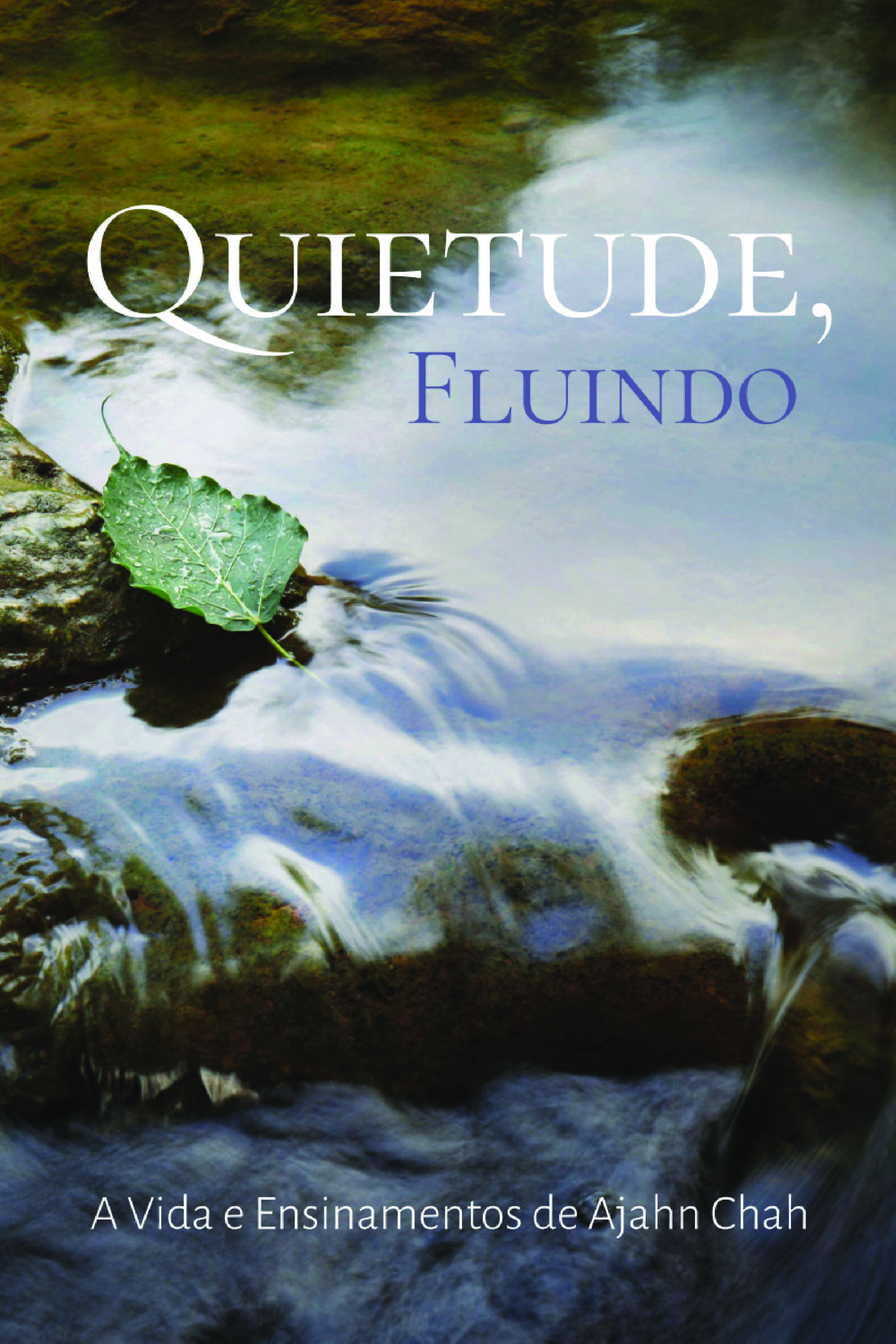
Cover for Quietude, Fluindo
Este livro esteve em processo por muito tempo. Depois de um início produtivo em 1996, eu coloquei o manuscrito de lado por aproximadamente dez anos. No começo, as responsabilidades por liderar uma grande comunidade monástica me deram pouco tempo para me dedicar ao projeto. Subsequentemente, um longo período de retiro me deu tempo mas tirou a disposição. Durante os anos seguintes o manuscrito se tornou... තව කියවන්න

Este livro esteve em processo por muito tempo. Depois de um início produtivo em 1996, eu coloquei o manuscrito de lado por aproximadamente dez anos. No começo, as responsabilidades por liderar uma grande comunidade monástica me deram pouco tempo para me dedicar ao projeto. Subsequentemente, um longo período de retiro me deu tempo mas tirou a disposição. Durante os anos seguintes o manuscrito se tornou como um velho e querido amigo. Eu voltaria a ele a cada tantos meses, me alegraria em gastar um bom tempo nele e depois, com um clique, me despediria. Foi apenas quando duas importantes datas começaram a se aproximar - o vigésimo quinto aniversário de morte de Luang Pó Chah em 2017 e o centenário de seu nascimento em 2018 - que eu fui forçado a aceitar que, naquela atual situação de progresso o livro jamais seria finalizado. Eu adotei então uma rotina regular de trabalho e, devagar, o livro que você tem nas mãos finalmente tomou forma

මෙම පොත Stillness Flowing හි පරිවර්තනයක් වේ
Cover for Pelos teus próprios pés
‘Pelos teus próprios pés’. Pense nisto: estabilidade, confiança, dignidade pura e simples. A frase é utilizada como uma metáfora, mas, na verdade, é mais do que isso. Para quem queira conseguir fazer uma pausa de uma mente dispersa e de humores stressantes, pode ser tão fácil como literalmente deixar-se estar firme nos seus próprios pés. Se, por outro lado, gostaria de meditar, mas sente-se desafiado... තව කියවන්න

‘Pelos teus próprios pés’. Pense nisto: estabilidade, confiança, dignidade pura e simples. A frase é utilizada como uma metáfora, mas, na verdade, é mais do que isso. Para quem queira conseguir fazer uma pausa de uma mente dispersa e de humores stressantes, pode ser tão fácil como literalmente deixar-se estar firme nos seus próprios pés. Se, por outro lado, gostaria de meditar, mas sente-se desafiado pela ideia de ficar sentado, quieto, sem fazer nada por mais de cinco minutos… ficar de pé pode ser uma forma razoável de iniciar o caminho para o seu equilíbrio interior. Vai ajudá-lo a sentir-se enraizado. E, se já gosta de meditar, ficar de pé pode ser uma forma de aliviar algum desconforto físico e ampliar a sua prática de uma forma inesperada, mas eficaz.

මෙම පොත On Your Own Two Feet හි පරිවර්තනයක් වේ
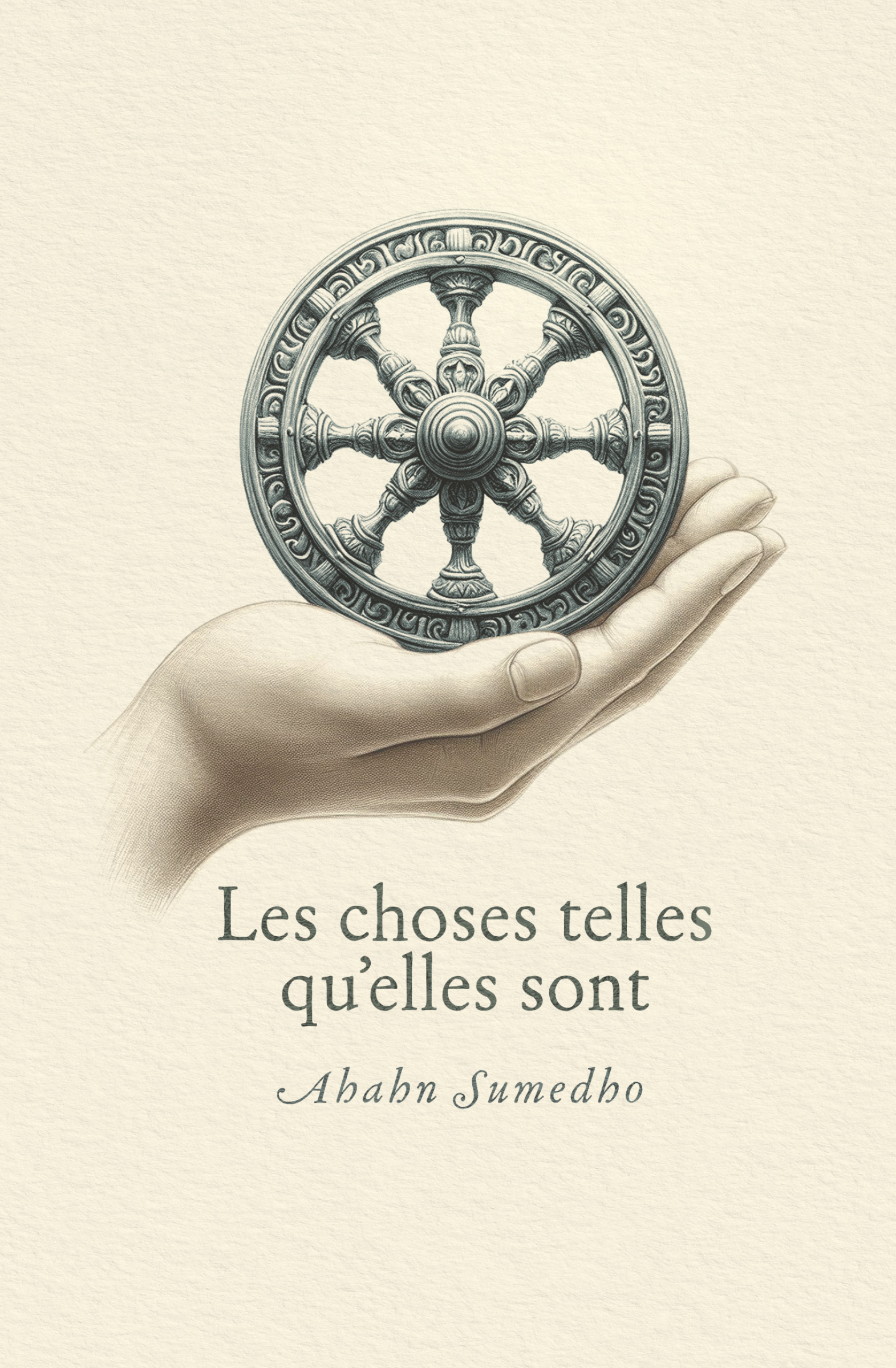
Cover for Les choses telles qu’elles sont
Ajahn Sumedho est un moine de la Tradition de la forêt. Il fut ordonné en Thaïlande, à Nong Khai, en 1967 et s’étant rendu peu après à Wat Pah Pong, il fut le premier disciple occidental d’Ajahn Chah. Après avoir passé une dizaine d’années auprès de son maître, ce dernier lui proposa d’aller en Angleterre à l’invitation de l’English Sangha Trust qui invitait des moines... තව කියවන්න

Ajahn Sumedho est un moine de la Tradition de la forêt. Il fut ordonné en Thaïlande, à Nong Khai, en 1967 et s’étant rendu peu après à Wat Pah Pong, il fut le premier disciple occidental d’Ajahn Chah. Après avoir passé une dizaine d’années auprès de son maître, ce dernier lui proposa d’aller en Angleterre à l’invitation de l’English Sangha Trust qui invitait des moines venus d’Asie pour vivre, pratiquer et enseigner le bouddhisme de la tradition Theravada.

Ses enseignements clairs et directs attirèrent rapidement l’attention d’un grand nombre de personnes venues de toutes parts, et en 1979 fut créé Chithurst, le premier monastère de la Tradition de la forêt en occident.

Ce livre est un des premiers recueils d’enseignements qu’Ajahn Sumedho donna à la communauté de moines et de nonnes ainsi qu’aux résidents laïcs au cours de plusieurs retraites d’hiver entre 1979 et 1989. Il offre au lecteur un vaste éventail des aspects les plus importants du Bouddhisme et, par son approche approfondie de la pratique, il nous transmet une vision limpide du chemin du Dhamma. [...]

මෙම පොත The way it is හි පරිවර්තනයක් වේ
Cover for Introdução À Meditação De Insight
"Embora o objetivo da meditação seja cultivar a mente (e o coração), utiliza o corpo como referencial. Para isso, colocamos a nossa atenção na experienciação do nosso corpo e das nossas sensações e ‘escutamos o nosso interior’. Chamamos a isto estar consciente, numa atenção não reativa, que permite estabilizar as energias, os estados de espírito e os processos mentais que surgem no nosso dia-a-dia. Apoiados... තව කියවන්න

"Embora o objetivo da meditação seja cultivar a mente (e o coração), utiliza o corpo como referencial. Para isso, colocamos a nossa atenção na experienciação do nosso corpo e das nossas sensações e ‘escutamos o nosso interior’. Chamamos a isto estar consciente, numa atenção não reativa, que permite estabilizar as energias, os estados de espírito e os processos mentais que surgem no nosso dia-a-dia. Apoiados nesta atenção, podemos aprender a sentir estes processos surgirem e a deixá-los passar, em vez de nos deixarmos enredar por eles. Surge um espaço ‘sem stress’ no nosso coração."

මෙම පොත Introduction to Insight Meditation හි පරිවර්තනයක් වේ
Cover for Cartas Pāramī

Cartas Pāramī

Ajahn Sucitto (2025)
Estas Cartas Pāramī oferecem lembretes de tópicos chave relacionados com a prática do Dhamma na vida diária. Colocadas no seu altar, na sua mesa de cabeceira ou numa gaveta do seu escritório, talvez possam ajudar a manter uma sábia orientação no meio dos dilemas e urgências do dia-a-dia.
මෙම පොත Pāramī Cards හි පරිවර්තනයක් වේ
Cover for Tajemství štěstí
Tato malá kniha vznikla v návaznosti na den praxe, který uspořádala organizace Buddhist Womens Network (BWN) v buddhistickém klášteře Amaravati v srpnu 2019. Toho dne byly vysloveny téměř všechny meditace a úvahy, s výjimkou krátké eseje „Štědrost, spokojenost a vděčnost“, napsané během zimního ústraní v roce 2021. Nápad na téma a název „Tajemství štěstí“ se objevil po mé úvaze nad prvním setkáním s Adžánem Sumedho... තව කියවන්න

Tato malá kniha vznikla v návaznosti na den praxe, který uspořádala organizace Buddhist Womens Network (BWN) v buddhistickém klášteře Amaravati v srpnu 2019. Toho dne byly vysloveny téměř všechny meditace a úvahy, s výjimkou krátké eseje „Štědrost, spokojenost a vděčnost“, napsané během zimního ústraní v roce 2021. Nápad na téma a název „Tajemství štěstí“ se objevil po mé úvaze nad prvním setkáním s Adžánem Sumedho v roce 1977, jen několik týdnů po jeho příjezdu do Velké Británie. Velmi na mě zapůsobil pocit lehkosti a radosti, který, jak se zdálo, s sebou přináší. V knize je zahrnuto několik vedených meditací a doporučuji vám, abyste si je nahráli tak, že budete – pomalu a s přiměřenými pauzami – text nahlas číst. Můžete to použít jako oporu pro svou vlastní praxi nebo sdílet s ostatními.

මෙම පොත The Secret of Happiness හි පරිවර්තනයක් වේ
Cover for Mara and the Mangala II
This story is intended to be a partner to the two novels ‘The Pilgrim Kamanita ~ A Legendary Romance’, written by Karl Gjellerup in 1906, and ‘The Killer ~ Mara and the Mangala, Book I’, written by myself, published in 2019. This present book exists as a tale that both stands on its own and serves as a continuation of the stories in the previous... තව කියවන්න

This story is intended to be a partner to the two novels ‘The Pilgrim Kamanita ~ A Legendary Romance’, written by Karl Gjellerup in 1906, and ‘The Killer ~ Mara and the Mangala, Book I’, written by myself, published in 2019.

This present book exists as a tale that both stands on its own and serves as a continuation of the stories in the previous volumes. There is no need to have read the earlier books in order to make sense of this one; however, should the reader wish to go to the source from which many of the characters and scenes of this tale have sprung, the previously published books can be found here and here.

In the tradition of such eminent authors as Charles Dickens, Sir Arthur Conan Doyle and Alexandre Dumas, the present book is being released as a serial novel, one chapter every fortnight, over the years 2025-26. It is planned that, once all the chapters have been released, an edition of the whole story will be published as a single book.

One of the worst things that can happen to a tale to be read for pleasure is to have it surrounded by footnotes and appendices. This is true; but it’s also true that some readers might like to know: ‘Did this come from the Buddha?’ ‘Where can I find the rest of that quote?’ ‘Did that really happen!?’

An appendix of notes and references has therefore been created, which outlines the sources of the derived material that has been used. The main body of the text is not marked in any way to indicate these notes; however, if the reader is curious about a certain passage, they can go to the end of the chapter, look for the page and quotation in question, and see if there’s a comment or reference for it. In this way, if one just wants to read the story and ignore the rest one can easily do so but, if one is interested in finding out more and checking the facts, the origins are mostly outlined there.

Also, gentle reader, please note that the original author (Karl Gjellerup) switched freely between using Sanskrit (the language of the Northern Buddhist and Hindu scriptures) and Pali (the language of the Southern Buddhist scriptures) during the course of his foundational tale. In our efforts to be true to his style this mixture of usage has been maintained in the two subsequent volumes.

Ajahn Amaro
Amaravati Monastery
Spring, 2025
Load more