2 filtres

Català, English

Per explorar les nostres publicacions en altres llengües, cliqueu "Netejar" o navegueu per la llista de llengües al menú de l'esquerra.

Netejar
Cover for Les Quatre Nobles Veritats
Aquest llibre va ser recopilat i editat a partir de les xerrades ofertes pel Venerable Ajahn Sumedho sobre l’ensenyança central del Buda: que la infelicitat de la humanitat pot ser superada a través de mitjans espirituals. L’ensenyança es va transmetre a través de les Quatre Nobles Veritats, va ser exposada per primer cop l’any 528 aC. al Parc dels Cérvols a Sarnath, a prop de... Llegir més

Aquest llibre va ser recopilat i editat a partir de les xerrades ofertes pel Venerable Ajahn Sumedho sobre l’ensenyança central del Buda: que la infelicitat de la humanitat pot ser superada a través de mitjans espirituals. L’ensenyança es va transmetre a través de les Quatre Nobles Veritats, va ser exposada per primer cop l’any 528 aC. al Parc dels Cérvols a Sarnath, a prop de Varanasi, i s’ha mantingut viva en el món budista des d’aleshores.

Aquest llibre és una traducció de The Four Noble Truths (Illustrated Edition)
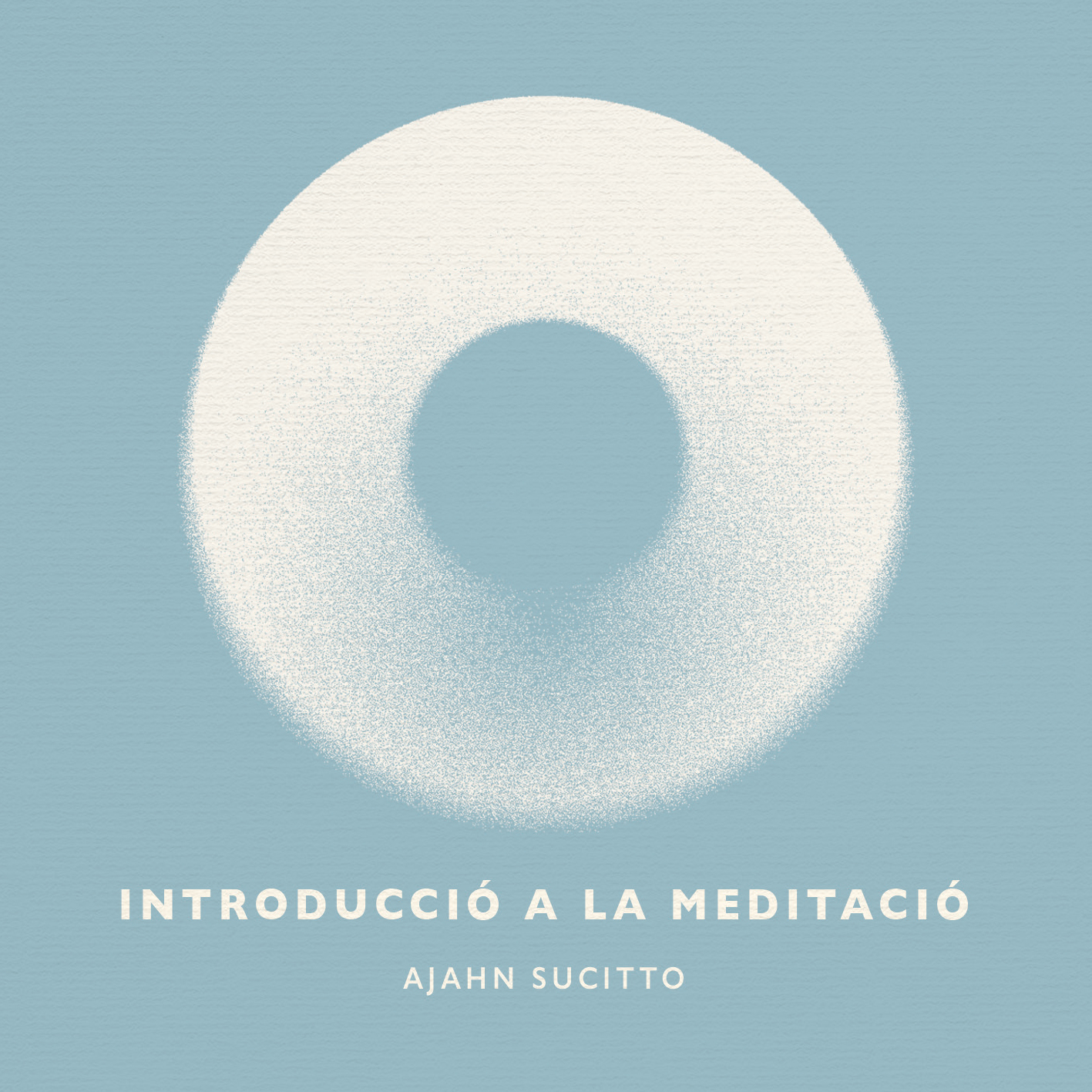
Cover for Introducció a la Meditació del Coneixement Directe
Tot i que la meditació consisteix en cultivar la ment (i el cor), utilitza el cos com a marc de referència. Per això, cal parar atenció a l’experiència del cos i sentirlo, o «escoltar-lo». Això és l’atenció plena, una atenció no reactiva que pot estabilitzar les energies, els estats d’ànim i els processos de pensament que sorgeixen en la teva vida quotidiana. Gràcies a aquest... Llegir més

Tot i que la meditació consisteix en cultivar la ment (i el cor), utilitza el cos com a marc de referència. Per això, cal parar atenció a l’experiència del cos i sentirlo, o «escoltar-lo». Això és l’atenció plena, una atenció no reactiva que pot estabilitzar les energies, els estats d’ànim i els processos de pensament que sorgeixen en la teva vida quotidiana. Gràcies a aquest suport, pots aprendre a sentir-los i deixar-los passar, en lloc d’enredar-t’hi. Això crea una zona de «no estrès» al teu cor. Així, encara que normalment seguim, contribuïm o reaccionem al contingut mental, en la meditació l’objectiu és deixar-lo estar i, en lloc d’això, obrir i netejar el sistema operatiu de la ment.

Aquest llibre és una traducció de Introduction to Insight Meditation
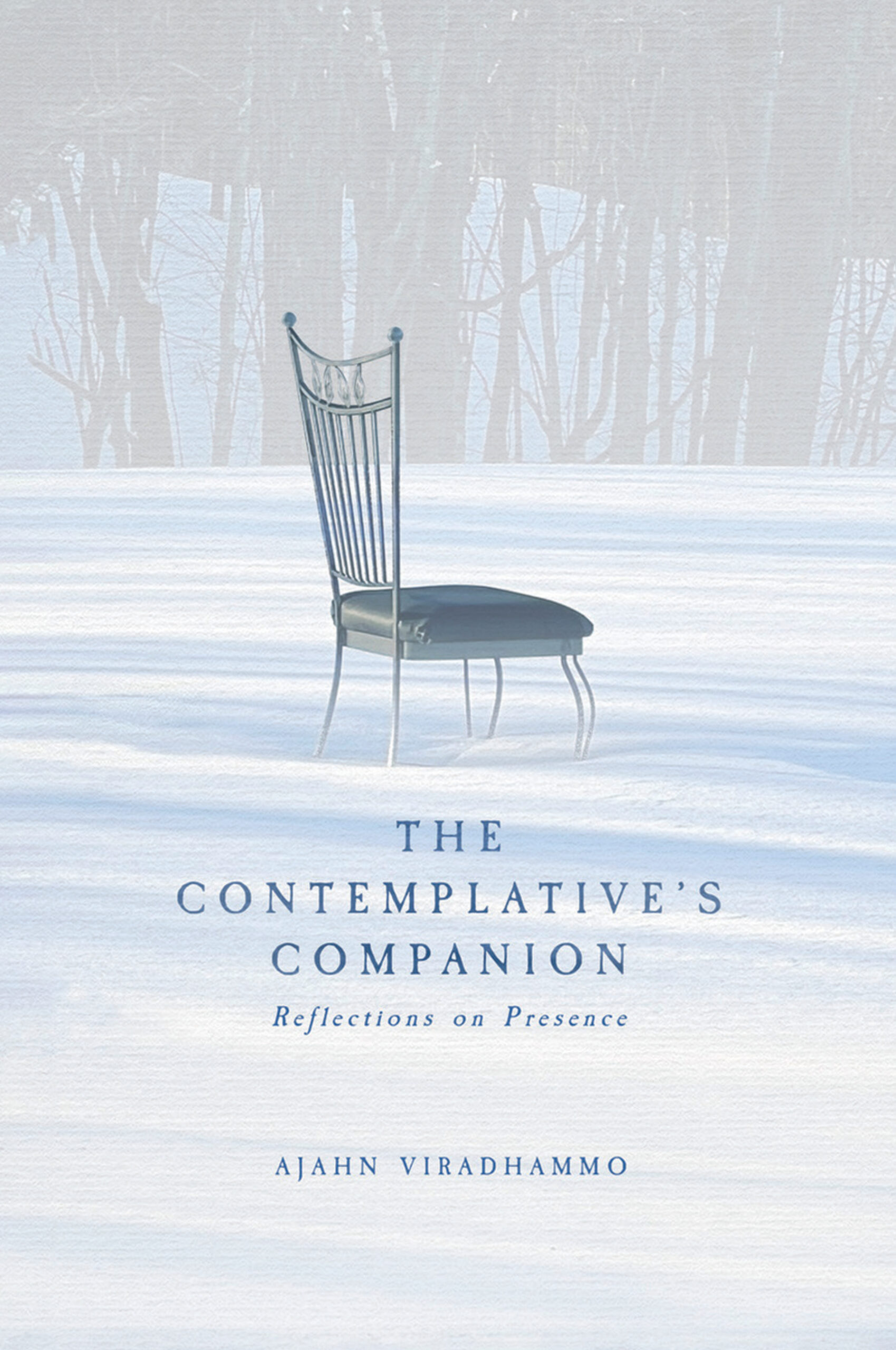
Cover for The Contemplative's Companion
[From the Introduction]: "The Contemplative’s Companion is both a record and a guide of this virtual meditation retreat held during the first wave of the COVID-19 pandemic. At that time, Ajahn Viradhammo and the organisers from the Ottawa Buddhist Society aimed to create a new virtual retreat community with solitary practitioners living everywhere in pandemic isolation. [...] Another thing to keep in mind as you... Llegir més

[From the Introduction]: "The Contemplative’s Companion is both a record and a guide of this virtual meditation retreat held during the first wave of the COVID-19 pandemic. At that time, Ajahn Viradhammo and the organisers from the Ottawa Buddhist Society aimed to create a new virtual retreat community with solitary practitioners living everywhere in pandemic isolation.

[...]

Another thing to keep in mind as you go through this book, or the audio recordings that are available as a playlist on Tisarana Buddhist Monastery's YouTube channel, is that the teachings offered by the Forest Sangha teachers, such as Ajahn Viradhammo, are spoken contemporaneously without notes. In that way, the talks are a response to the needs of the time and listeners. But, as you’ll discover, the themes are universal because the very nature of Dhamma is akāliko (timeless)."

Cover for Mara and the Mangala II
This story is intended to be a partner to the two novels ‘The Pilgrim Kamanita ~ A Legendary Romance’, written by Karl Gjellerup in 1906, and ‘The Killer ~ Mara and the Mangala, Book I’, written by myself, published in 2019. This present book exists as a tale that both stands on its own and serves as a continuation of the stories in the previous... Llegir més

This story is intended to be a partner to the two novels ‘The Pilgrim Kamanita ~ A Legendary Romance’, written by Karl Gjellerup in 1906, and ‘The Killer ~ Mara and the Mangala, Book I’, written by myself, published in 2019.

This present book exists as a tale that both stands on its own and serves as a continuation of the stories in the previous volumes. There is no need to have read the earlier books in order to make sense of this one; however, should the reader wish to go to the source from which many of the characters and scenes of this tale have sprung, the previously published books can be found here and here.

In the tradition of such eminent authors as Charles Dickens, Sir Arthur Conan Doyle and Alexandre Dumas, the present book is being released as a serial novel, one chapter every fortnight, over the years 2025-26. It is planned that, once all the chapters have been released, an edition of the whole story will be published as a single book.

One of the worst things that can happen to a tale to be read for pleasure is to have it surrounded by footnotes and appendices. This is true; but it’s also true that some readers might like to know: ‘Did this come from the Buddha?’ ‘Where can I find the rest of that quote?’ ‘Did that really happen!?’

An appendix of notes and references has therefore been created, which outlines the sources of the derived material that has been used. The main body of the text is not marked in any way to indicate these notes; however, if the reader is curious about a certain passage, they can go to the end of the chapter, look for the page and quotation in question, and see if there’s a comment or reference for it. In this way, if one just wants to read the story and ignore the rest one can easily do so but, if one is interested in finding out more and checking the facts, the origins are mostly outlined there.

Also, gentle reader, please note that the original author (Karl Gjellerup) switched freely between using Sanskrit (the language of the Northern Buddhist and Hindu scriptures) and Pali (the language of the Southern Buddhist scriptures) during the course of his foundational tale. In our efforts to be true to his style this mixture of usage has been maintained in the two subsequent volumes.

Ajahn Amaro
Amaravati Monastery
Spring, 2025
Cover for Happily Ever After. 5 Beyond
Reflections on life goals and priorities. In this volume: - The good, the bad and the unconditioned - ‘We need to talk about Nibbāna’ - Suchness and the square root of minus one - Unshakeable well-being - ... Happily ever after
Cover for Happily Ever After. 4 Money
Reflections on life goals and priorities. In this volume: - Buddhism and the pursuit of wealth - ‘How to live a Dhamma life in the capitalist world of today?’ - A currency of well-being
Cover for Happily Ever After. 2 Emotion
Reflections on life goals and priorities. In this volume: - ‘Heroin or chocolate cake?’ - ‘I am a Buddhist, why am I so angry?’ - The importance of being bored, sad and lonely - ‘If you truly love me, don’t create me in your mind’
Cover for Happily Ever After. 1 Reality
Reflections on life goals and priorities. In this volume: - ‘The Blue Pill or the Red Pill? Why Wake up When my Habits are so Pleasant?’ - ‘Of course it’s happening in your head, Harry, but why on earth should that mean that it is not real?’ - Let the citta draw a picture
Load more