3 filters

Ajahn Sucitto

English

To explore our publications in other languages, click "Clear" or browse the list of languages in the menu on the left.

2022

Clear

Ajahn Sucitto

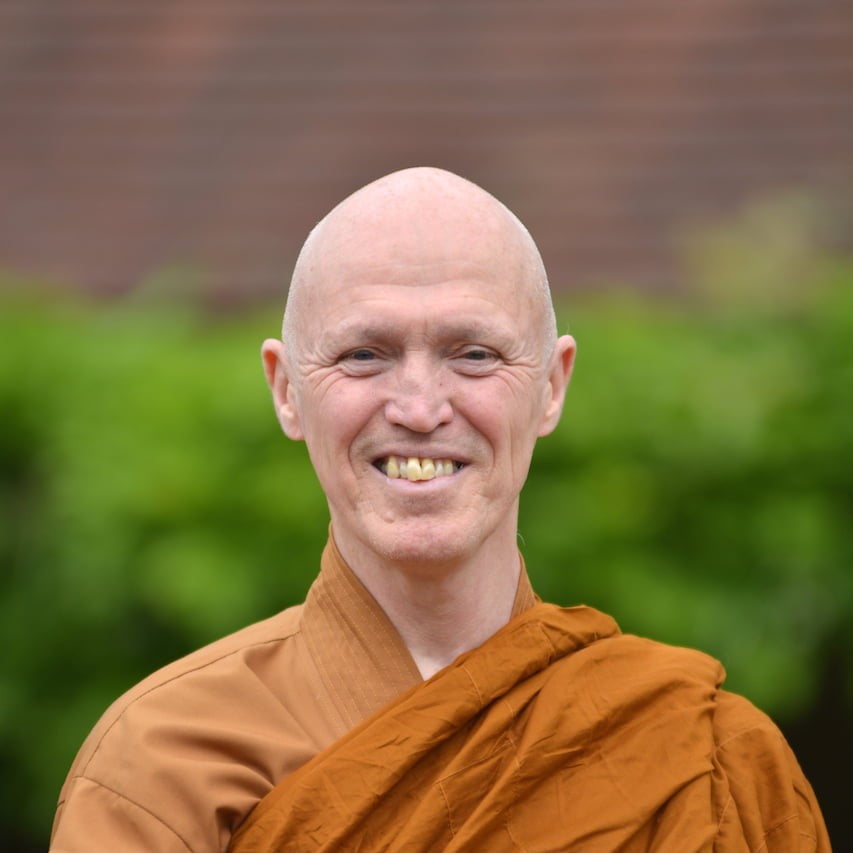
Luang Por Sucitto was the abbot of Cittaviveka – Chithurst Buddhist Monastery from 1992 until 2014. He was born in London and went forth as a bhikkhu in Thailand in March 1976.... Read more

Luang Por Sucitto was the abbot of Cittaviveka – Chithurst Buddhist Monastery from 1992 until 2014. He was born in London and went forth as a bhikkhu in Thailand in March 1976. Luang Por Sucitto returned to Britain in 1978 and took up training under Luang Por Sumedho at the Hampstead Buddhist Vihara. In 1979 he was one of the small group of monks, led by Luang Por Sumedho, who established Cittaviveka – Chithurst Buddhist Monastery.

In 1981 he was sent up to Northumberland to set up a small monastery in Harnham, which subsequently became Aruna Ratanagiri Monastery. In 1984 he accompanied Luang Por Sumedho in establishing Amaravati Buddhist Monastery in Hertfordshire. In 1992 he was appointed abbot of Cittaviveka. On October 26, 2014, he resigned the post, but has continued teaching as before.

Luang Por Sucitto's main work has been in teaching, editing and writing, although he was also largely responsible for the creation of the protocols and standards that flesh out the Ten Precept training of the Sīladharā (nuns) Order.

Cover for On Your Own Two Feet
A GUIDE TO STANDING MEDITATION Standing was one of the positions that the Buddha recommended as a proper basis for mindfulness. Wisely cultivated, it takes strain out of the body, encourages balance and inner stability – and is a support for full liberation.
Also available in Português
Cover for Kamma and the End of Kamma (2nd Edition)
This book is a substantially revised and expanded version of the 2009 original. It explores the link between external action and mind cultivation – both of which are forms of the kamma that leads to liberation. The book teaches formal meditation practices, the role of devotion, aspects of dependent origination, and the need to establish skilful relationships – kalyānamitta – and the cessation of suffering... Read more

This book is a substantially revised and expanded version of the 2009 original. It explores the link between external action and mind cultivation – both of which are forms of the kamma that leads to liberation. The book teaches formal meditation practices, the role of devotion, aspects of dependent origination, and the need to establish skilful relationships – kalyānamitta – and the cessation of suffering and stress.