3 filters

Ajahn Sucitto

English, Português

To explore our publications in other languages, click "Clear" or browse the list of languages in the menu on the left.

Clear

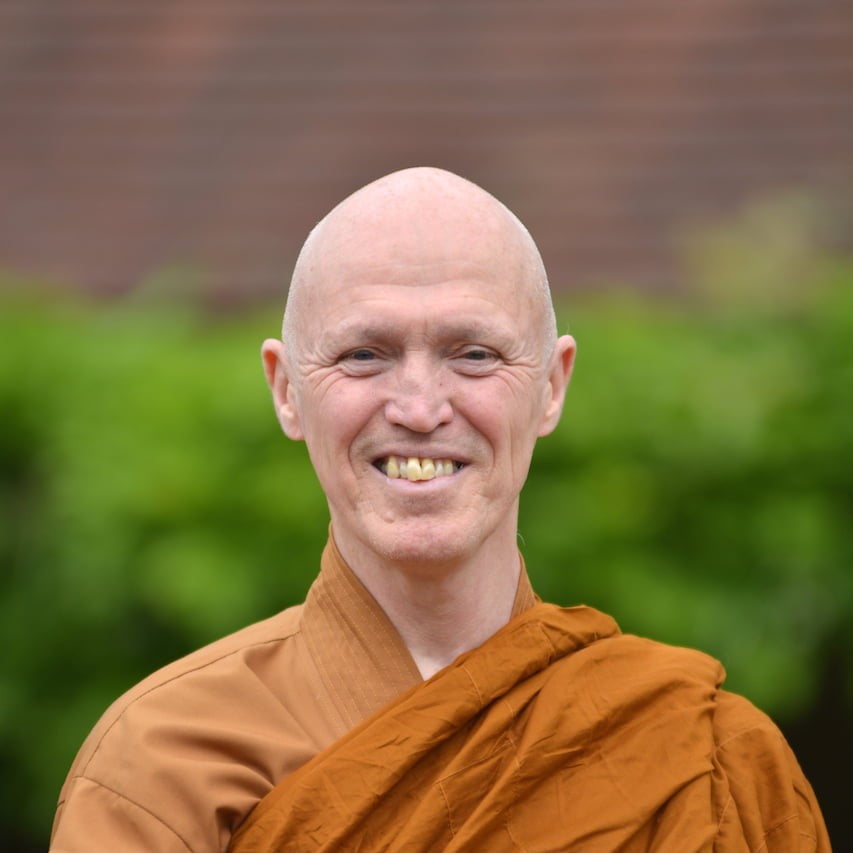
Ajahn Sucitto

Luang Por Sucitto was the abbot of Cittaviveka – Chithurst Buddhist Monastery from 1992 until 2014. He was born in London and went forth as a bhikkhu in Thailand in March 1976.... Read more

Luang Por Sucitto was the abbot of Cittaviveka – Chithurst Buddhist Monastery from 1992 until 2014. He was born in London and went forth as a bhikkhu in Thailand in March 1976. Luang Por Sucitto returned to Britain in 1978 and took up training under Luang Por Sumedho at the Hampstead Buddhist Vihara. In 1979 he was one of the small group of monks, led by Luang Por Sumedho, who established Cittaviveka – Chithurst Buddhist Monastery.

In 1981 he was sent up to Northumberland to set up a small monastery in Harnham, which subsequently became Aruna Ratanagiri Monastery. In 1984 he accompanied Luang Por Sumedho in establishing Amaravati Buddhist Monastery in Hertfordshire. In 1992 he was appointed abbot of Cittaviveka. On October 26, 2014, he resigned the post, but has continued teaching as before.

Luang Por Sucitto's main work has been in teaching, editing and writing, although he was also largely responsible for the creation of the protocols and standards that flesh out the Ten Precept training of the Sīladharā (nuns) Order.
Cover for Pelos teus próprios pés
‘Pelos teus próprios pés’. Pense nisto: estabilidade, confiança, dignidade pura e simples. A frase é utilizada como uma metáfora, mas, na verdade, é mais do que isso. Para quem queira conseguir fazer uma pausa de uma mente dispersa e de humores stressantes, pode ser tão fácil como literalmente deixar-se estar firme nos seus próprios pés. Se, por outro lado, gostaria de meditar, mas sente-se desafiado... Read more

‘Pelos teus próprios pés’. Pense nisto: estabilidade, confiança, dignidade pura e simples. A frase é utilizada como uma metáfora, mas, na verdade, é mais do que isso. Para quem queira conseguir fazer uma pausa de uma mente dispersa e de humores stressantes, pode ser tão fácil como literalmente deixar-se estar firme nos seus próprios pés. Se, por outro lado, gostaria de meditar, mas sente-se desafiado pela ideia de ficar sentado, quieto, sem fazer nada por mais de cinco minutos… ficar de pé pode ser uma forma razoável de iniciar o caminho para o seu equilíbrio interior. Vai ajudá-lo a sentir-se enraizado. E, se já gosta de meditar, ficar de pé pode ser uma forma de aliviar algum desconforto físico e ampliar a sua prática de uma forma inesperada, mas eficaz.

This book is a translation of On Your Own Two Feet
Cover for Introdução À Meditação De Insight
"Embora o objetivo da meditação seja cultivar a mente (e o coração), utiliza o corpo como referencial. Para isso, colocamos a nossa atenção na experienciação do nosso corpo e das nossas sensações e ‘escutamos o nosso interior’. Chamamos a isto estar consciente, numa atenção não reativa, que permite estabilizar as energias, os estados de espírito e os processos mentais que surgem no nosso dia-a-dia. Apoiados... Read more

"Embora o objetivo da meditação seja cultivar a mente (e o coração), utiliza o corpo como referencial. Para isso, colocamos a nossa atenção na experienciação do nosso corpo e das nossas sensações e ‘escutamos o nosso interior’. Chamamos a isto estar consciente, numa atenção não reativa, que permite estabilizar as energias, os estados de espírito e os processos mentais que surgem no nosso dia-a-dia. Apoiados nesta atenção, podemos aprender a sentir estes processos surgirem e a deixá-los passar, em vez de nos deixarmos enredar por eles. Surge um espaço ‘sem stress’ no nosso coração."

This book is a translation of Introduction to Insight Meditation
Cover for Cartas Pāramī
Estas Cartas Pāramī oferecem lembretes de tópicos chave relacionados com a prática do Dhamma na vida diária. Colocadas no seu altar, na sua mesa de cabeceira ou numa gaveta do seu escritório, talvez possam ajudar a manter uma sábia orientação no meio dos dilemas e urgências do dia-a-dia.
This book is a translation of Pāramī Cards
Cover for On Your Own Two Feet
A GUIDE TO STANDING MEDITATION Standing was one of the positions that the Buddha recommended as a proper basis for mindfulness. Wisely cultivated, it takes strain out of the body, encourages balance and inner stability – and is a support for full liberation.
Also available in Português
Cover for Kamma and the End of Kamma (2nd Edition)
This book is a substantially revised and expanded version of the 2009 original. It explores the link between external action and mind cultivation – both of which are forms of the kamma that leads to liberation. The book teaches formal meditation practices, the role of devotion, aspects of dependent origination, and the need to establish skilful relationships – kalyānamitta – and the cessation of suffering... Read more

This book is a substantially revised and expanded version of the 2009 original. It explores the link between external action and mind cultivation – both of which are forms of the kamma that leads to liberation. The book teaches formal meditation practices, the role of devotion, aspects of dependent origination, and the need to establish skilful relationships – kalyānamitta – and the cessation of suffering and stress.

Cover for An Outline of Buddhism
A great variety of forms of religious practice are associated with the word ‘Buddhism’. However, they all take Siddhattha Gotama, who lived and taught in northern India some 2,500 years ago, as their source or inspiration. It was he who became known as the ‘Buddha’ – that is ‘the Awakened One’, one who has attained great wisdom through their own efforts.
Load more