3 Filter

Ajahn Sucitto

Deutsch, English

Um unsere Veröffentlichungen in anderen Sprachen zu erkunden, klicken Sie auf „Löschen“ oder durchsuchen Sie die Sprachliste im Menü auf der linken Seite.

Löschen

Ajahn Sucitto

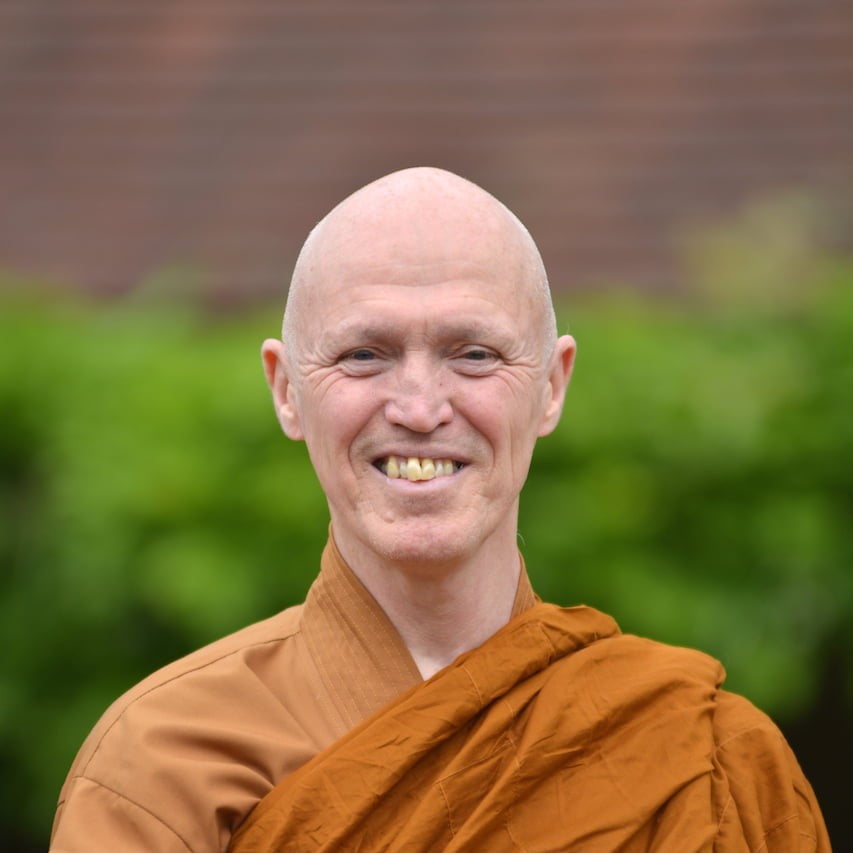
Luang Por Sucitto was the abbot of Cittaviveka – Chithurst Buddhist Monastery from 1992 until 2014. He was born in London and went forth as a bhikkhu in Thailand in March 1976.... Mehr lesen

Luang Por Sucitto was the abbot of Cittaviveka – Chithurst Buddhist Monastery from 1992 until 2014. He was born in London and went forth as a bhikkhu in Thailand in March 1976. Luang Por Sucitto returned to Britain in 1978 and took up training under Luang Por Sumedho at the Hampstead Buddhist Vihara. In 1979 he was one of the small group of monks, led by Luang Por Sumedho, who established Cittaviveka – Chithurst Buddhist Monastery.

In 1981 he was sent up to Northumberland to set up a small monastery in Harnham, which subsequently became Aruna Ratanagiri Monastery. In 1984 he accompanied Luang Por Sumedho in establishing Amaravati Buddhist Monastery in Hertfordshire. In 1992 he was appointed abbot of Cittaviveka. On October 26, 2014, he resigned the post, but has continued teaching as before.

Luang Por Sucitto's main work has been in teaching, editing and writing, although he was also largely responsible for the creation of the protocols and standards that flesh out the Ten Precept training of the Sīladharā (nuns) Order.

Cover for Meditation – Ein Weg des Erwachens
Warum meditieren? Wenn Sie dieses Handbuch lesen, sind Sie vielleicht neugierig zu erfahren, warum Menschen meditieren. Warum sitzen sie lange Zeit still und aufrecht? Woran denken sie? Ist es eine Art Religion? Wenn ja, woran glauben sie? Nun, es mag sein, dass einige Meditierende auf bestimmte Weise denken, und manche mögen einen tiefen Glauben an einen Gott oder eine Wahrheit haben. Aber es ist auch... Mehr lesen

Warum meditieren?

Wenn Sie dieses Handbuch lesen, sind Sie vielleicht neugierig zu erfahren, warum Menschen meditieren. Warum sitzen sie lange Zeit still und aufrecht? Woran denken sie? Ist es eine Art Religion? Wenn ja, woran glauben sie? Nun, es mag sein, dass einige Meditierende auf bestimmte Weise denken, und manche mögen einen tiefen Glauben an einen Gott oder eine Wahrheit haben. Aber es ist auch möglich, ohne all das zu meditieren. Einfach gesagt läuft es darauf hinaus, Frieden des Geistes zu finden – und zwar im Geist selbst. Dass der Geist der richtige Platz für diese Suche ist, wird klar, wenn man bedenkt, dass die Menschheit trotz vieler technologischer, medizinischer und sozialer Entwicklungen schwer unter Druck ist und in tiefen Schwierigkeiten steckt.

Was also sind die Wurzeln von Gewalt, Egoismus und Misstrauen? Warum erleben wir Entfremdung und Depression, wenn wir auf der anderen Seite so viel haben? Wie entstehen Freude und Mitgefühl? Dies sind einige der grundlegenden Fragen, auf die die Meditation Ihnen helfen kann, eigene Antworten zu finden.

Was folgt, sind Anleitungen zur Meditation nach den Lehren des Buddha, die er vor etwa 2500 Jahren gab. Die zeitlose Qualität dieser Lehren ist so beschaffen, dass sie uns dabei unterstützen, Zustände von Unzufriedenheit und Leiden zu untersuchen, sie zu verstehen, und ihre Ursachen zu entfernen. Das zu erreichen wird “Erleuchtung” oder “Erwachen” genannt. Dennoch können Meditierende sogar mit den anfänglichen Schritten auf dem Pfad zum Erwachen viel von den Dingen in ihrem Geist ausräumen, die Angst, Depression und Leiden verursachen, und die ihr Glück und Verstehen einschränken.
Dieses Buch ist eine Übersetzung von Meditation – A Way of Awakening
Cover for Clarity and Calm
The following pages offer some means to find clarity and calm within a few minutes. They can be put into practice in a range of non-specialized situations – in the time it would take you to drink a cup of tea. If you live a busy life, this guide may help you come out of the momentum of the day and give you more time.... Mehr lesen

The following pages offer some means to find clarity and calm within a few minutes. They can be put into practice in a range of non-specialized situations – in the time it would take you to drink a cup of tea. If you live a busy life, this guide may help you come out of the momentum of the day and give you more time. These suggestions may also offer you a way to meditate – but that’s up to you and another guide.

Auch verfügbar in Deutsch, Español, Français, italiano, ไทย
Cover for Rude Awakenings
What follows is the narrative of a pilgrimage around the Buddhist holy places of India and Nepal made in the winter 1990–91. We made the pilgrimage on foot over six months, but recording it has taken more than ten years. While our journey took us to all the main pilgrimage sites, it was also a pilgrimage through the sacred and profane of two very different... Mehr lesen

What follows is the narrative of a pilgrimage around the Buddhist holy places of India and Nepal made in the winter 1990–91. We made the pilgrimage on foot over six months, but recording it has taken more than ten years. While our journey took us to all the main pilgrimage sites, it was also a pilgrimage through the sacred and profane of two very different men’s lives and the lessons learned from making this pilgrimage together.

Cover for Great Patient One
This book is a sequel. The first half, published as Rude Awakenings , began the account of a six-month epic journey by two Englishmen, a monk and layman, to the Buddhist holy places in India. On this seven-hundred–mile pilgrimage on foot across one of the most overcrowded places on the planet, we supported ourselves by going for alms—just as Buddhist monks had done in times... Mehr lesen

This book is a sequel. The first half, published as Rude Awakenings , began the account of a six-month epic journey by two Englishmen, a monk and layman, to the Buddhist holy places in India. On this seven-hundred–mile pilgrimage on foot across one of the most overcrowded places on the planet, we supported ourselves by going for alms—just as Buddhist monks had done in times gone by—and slept under the stars. Rude Awakenings was a great adventure story. While the second part of the journey still had its share of adventure, and some amazing encounters with wildlife, the novelty of the endeavour had worn off, and we came face to face with both our own and the other’s deeper humanity. Thus this sequel is, to us, the more valuable of the two accounts.

Cover for Discipline and Conventions
This guide is aimed at providing an introduction to some aspects of monastic discipline for those lay people who are interested in understanding something of the background to the rules and conventions which structure the way of life of the monks and nuns of this tradition. It is hoped that these notes will be helpful in furthering the relationship of support between members of the... Mehr lesen

This guide is aimed at providing an introduction to some aspects of monastic discipline for those lay people who are interested in understanding something of the background to the rules and conventions which structure the way of life of the monks and nuns of this tradition. It is hoped that these notes will be helpful in furthering the relationship of support between members of the Sangha and lay practitioners.

Cover for Kalyana – Dhamma talks from Ajahn Sucitto
This book arose out of an interest that I had to celebrate my fiftieth birthday by expressing my gratitude to the many people who have made it possible for me to live the Holy Life, and in some way honour the many gifts of Dhamma that the Buddha and my own teachers have bestowed upon me. For me, the significance of the fiftieth year is... Mehr lesen

This book arose out of an interest that I had to celebrate my fiftieth birthday by expressing my gratitude to the many people who have made it possible for me to live the Holy Life, and in some way honour the many gifts of Dhamma that the Buddha and my own teachers have bestowed upon me. For me, the significance of the fiftieth year is that during this year (1999) I will have spent twenty-five Rains Retreats as a bhikkhu; approximately half my life will than have been spent in the training. As I was ruminating in this, it coincidentally happened that Richard Allen, a supporter and close associate of the monastery, was also entering his fiftieth year and due to celebrate his twenty-fifth wedding anniversary. So out of such a coincidence, and as a very fitting way to acknowledge both the mutuality of our interest in Dhamma and the symbiosis of lay and monastic commitment that upholds the Holy Life, this collection arose. As is often the way with work involv- ing Dhamma, once the project got started, other people came forward to offer further donations and also the acts of service that would put the talks into the form of a printed work. This catalytic spontaneous process is something that still after many years has the flavour of a miracle, or more accurately, the ‘lovely’ (kalyana) taste of the Dhamma that this book commemorates.

Cover for Buddhist Rituals & Observances
The practice of Buddhism is most frequently associated with the quiet, reflective and introspective aspects of formal meditation, with little recognition or realisation of the many means by which we can cultivate such qualities as joy, gladness and the uplift of the heart. The devotional aspects of our practice as seen through solitary meditation can seem pointless, or even foolish, but experience teaches us that... Mehr lesen

The practice of Buddhism is most frequently associated with the quiet, reflective and introspective aspects of formal meditation, with little recognition or realisation of the many means by which we can cultivate such qualities as joy, gladness and the uplift of the heart.

The devotional aspects of our practice as seen through solitary meditation can seem pointless, or even foolish, but experience teaches us that meditation alone is not a guaranteed entry into the sublime – it can be a wearisome struggle with a wayward mind!

This booklet therefore is about the recognition and cultivation of those means whereby we bring emotive forces into our daily lives.

We need to make the Buddha-Dhamma-Sangha a vital, integral part of our world-view, to inculcate a clear sense of reverence and pride in being disciples of the Blessed One and a sense of fellowship with all those who have trodden and are currently treading the Path to Peace and Truth.

Auch verfügbar in dansk