4 filtres

Ajahn Sucitto

dansk, English

Per explorar les nostres publicacions en altres llengües, cliqueu "Netejar" o navegueu per la llista de llengües al menú de l'esquerra.

2011

Netejar

Ajahn Sucitto

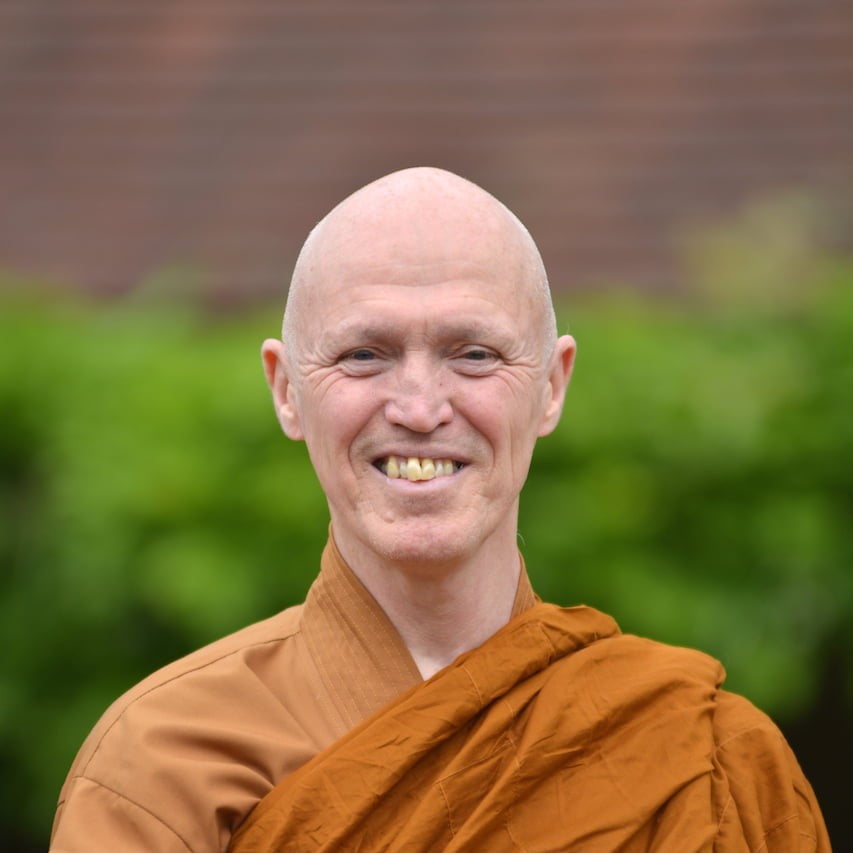
Luang Por Sucitto was the abbot of Cittaviveka – Chithurst Buddhist Monastery from 1992 until 2014. He was born in London and went forth as a bhikkhu in Thailand in March 1976.... Llegir més

Luang Por Sucitto was the abbot of Cittaviveka – Chithurst Buddhist Monastery from 1992 until 2014. He was born in London and went forth as a bhikkhu in Thailand in March 1976. Luang Por Sucitto returned to Britain in 1978 and took up training under Luang Por Sumedho at the Hampstead Buddhist Vihara. In 1979 he was one of the small group of monks, led by Luang Por Sumedho, who established Cittaviveka – Chithurst Buddhist Monastery.

In 1981 he was sent up to Northumberland to set up a small monastery in Harnham, which subsequently became Aruna Ratanagiri Monastery. In 1984 he accompanied Luang Por Sumedho in establishing Amaravati Buddhist Monastery in Hertfordshire. In 1992 he was appointed abbot of Cittaviveka. On October 26, 2014, he resigned the post, but has continued teaching as before.

Luang Por Sucitto's main work has been in teaching, editing and writing, although he was also largely responsible for the creation of the protocols and standards that flesh out the Ten Precept training of the Sīladharā (nuns) Order.

Cover for Rude Awakenings
What follows is the narrative of a pilgrimage around the Buddhist holy places of India and Nepal made in the winter 1990–91. We made the pilgrimage on foot over six months, but recording it has taken more than ten years. While our journey took us to all the main pilgrimage sites, it was also a pilgrimage through the sacred and profane of two very different... Llegir més

What follows is the narrative of a pilgrimage around the Buddhist holy places of India and Nepal made in the winter 1990–91. We made the pilgrimage on foot over six months, but recording it has taken more than ten years. While our journey took us to all the main pilgrimage sites, it was also a pilgrimage through the sacred and profane of two very different men’s lives and the lessons learned from making this pilgrimage together.

Cover for Great Patient One
This book is a sequel. The first half, published as Rude Awakenings , began the account of a six-month epic journey by two Englishmen, a monk and layman, to the Buddhist holy places in India. On this seven-hundred–mile pilgrimage on foot across one of the most overcrowded places on the planet, we supported ourselves by going for alms—just as Buddhist monks had done in times... Llegir més

This book is a sequel. The first half, published as Rude Awakenings , began the account of a six-month epic journey by two Englishmen, a monk and layman, to the Buddhist holy places in India. On this seven-hundred–mile pilgrimage on foot across one of the most overcrowded places on the planet, we supported ourselves by going for alms—just as Buddhist monks had done in times gone by—and slept under the stars. Rude Awakenings was a great adventure story. While the second part of the journey still had its share of adventure, and some amazing encounters with wildlife, the novelty of the endeavour had worn off, and we came face to face with both our own and the other’s deeper humanity. Thus this sequel is, to us, the more valuable of the two accounts.

Cover for Discipline and Conventions
This guide is aimed at providing an introduction to some aspects of monastic discipline for those lay people who are interested in understanding something of the background to the rules and conventions which structure the way of life of the monks and nuns of this tradition. It is hoped that these notes will be helpful in furthering the relationship of support between members of the... Llegir més

This guide is aimed at providing an introduction to some aspects of monastic discipline for those lay people who are interested in understanding something of the background to the rules and conventions which structure the way of life of the monks and nuns of this tradition. It is hoped that these notes will be helpful in furthering the relationship of support between members of the Sangha and lay practitioners.